
Alt Text: how to start a fundraiser planning meeting with volunteers organizing charity event
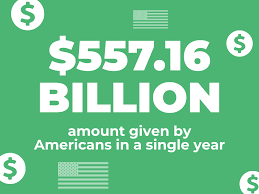
Starting a charity fundraiser can feel overwhelming, especially if you’ve never organized one before. But here’s an encouraging truth: according to the Nonprofit Source’s latest report, individual fundraising campaigns raised over $484 billion for charitable causes in 2024, with first-time organizers accounting for nearly 35% of successful campaigns. You don’t need years of experience or a massive network to make a real difference—you just need the right guidance and a structured approach.
Whether you’re passionate about supporting local schools, helping families in need, or funding medical research, this comprehensive guide will walk you through every step of launching a successful charity fundraiser. From defining your goals and building your team to choosing the right platform and engaging donors, you’ll discover actionable strategies that turn good intentions into tangible impact.
What Is a Charity Fundraiser?
A charity fundraiser is an organized effort to collect donations, resources, or financial support for a specific charitable cause or nonprofit organization. Unlike general donations, fundraisers are typically campaign-based, with clear goals, timelines, and specific outcomes they aim to achieve.
Types of Fundraisers
Fundraising has evolved significantly in recent years. Traditional methods like galas, auctions, and walkathons remain popular, but modern technology has introduced innovative approaches:
Traditional Event-Based Fundraisers include charity dinners, silent auctions, walk-a-thons, bake sales, and golf tournaments. These create community engagement and offer face-to-face donor interaction, though they require significant planning and upfront costs.
Online Crowdfunding Campaigns leverage platforms to reach wider audiences through social media sharing. They’re cost-effective and accessible but face high competition and require strong digital marketing skills.
Product-Based Giving represents a newer approach where donors purchase specific items that charities actually need. Platforms like TheDonorPlug.com offer unprecedented transparency, allowing donors to see exactly what their contribution provides and track delivery to the organization.
Peer-to-Peer Fundraising empowers supporters to create individual campaigns on behalf of your cause, expanding your reach through their personal networks.
Benefits of Organizing a Fundraiser
Running a fundraiser delivers benefits beyond just raising money. You build awareness for your cause, create lasting community connections, develop valuable organizational and leadership skills, and establish a foundation for future fundraising efforts. Perhaps most importantly, you create tangible, measurable impact that directly addresses real needs.
Common Fundraising Myths Debunked
Many people hesitate to start fundraisers because of persistent misconceptions. Let’s address them:
Myth: You need a large network to succeed. Reality: Passion and storytelling matter more than network size. Small, engaged groups often outperform larger, passive audiences.
Myth: Fundraising requires significant upfront investment. Reality: Many modern platforms have minimal or no setup costs, especially digital and product-based giving options.
Myth: Only experienced nonprofit professionals can run successful campaigns. Reality: First-time organizers frequently achieve impressive results by following proven frameworks and leveraging user-friendly platforms.
Planning Your Fundraiser: 7 Essential Steps
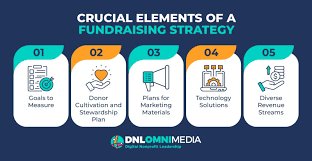
Alt Text: fundraiser planning steps infographic showing complete process to start charity fundraiser
Success in fundraising isn’t about luck—it’s about strategic planning and execution. Follow these seven essential steps to build a strong foundation for your campaign.
Step 1: Define Your Cause and Set Goals
Before launching any fundraising effort, you must articulate exactly what you’re supporting and why it matters. Vague causes don’t inspire action; specific, relatable needs do.
Identify the Specific Need: Instead of “helping homeless families,” specify “providing 50 winter coats and 25 emergency shelter kits for families at the Downtown Community Shelter this January.” This specificity helps donors visualize their impact and creates urgency.
Set SMART Fundraising Goals: Your goals should be Specific (raise $10,000), Measurable (track donations daily), Achievable (based on realistic donor pool), Relevant (aligned with actual needs), and Time-bound (within 60 days). According to Network for Good’s Digital Giving Report, campaigns with specific monetary and timeline goals raise 47% more than those with vague objectives.
Create a Compelling Mission Statement: Craft a 2-3 sentence statement that explains what you’re doing, why it matters, and how donors make a difference. For example: “Our fundraiser provides essential school supplies to 200 underserved students at Lincoln Elementary. Every dollar ensures a child has the tools they need to learn and succeed. Together, we’re removing barriers to education and building brighter futures.”
Step 2: Choose Your Fundraising Method
The fundraising landscape offers numerous options, each with distinct advantages and considerations. Understanding your audience, cause, and resources will guide your choice.
Traditional Event-Based Fundraising: Events like galas, auctions, and community walks create memorable experiences and foster strong community bonds. They work particularly well when you have established local connections and volunteers willing to handle logistics. However, they typically require 3-6 months planning time, upfront costs for venues and permits, and weather or attendance risks.
Online Crowdfunding Platforms: Digital platforms offer broader reach and lower overhead costs. They’re ideal for causes with compelling stories and strong social media presence. The challenge lies in cutting through digital noise—thousands of campaigns compete for attention daily.
Product-Based Giving Platforms: This emerging model addresses a critical issue in charitable giving: transparency. Rather than donating money and hoping it’s used well, donors on platforms like TheDonorPlug.com select specific items from a charity’s wish list—a new laptop for a nonprofit’s job training program, winter coats for a homeless shelter, or art supplies for an after-school program.
This approach offers several advantages. Donors see exactly where their contribution goes, building trust and encouraging larger gifts. Charities receive items they actually need rather than cash that might be redirected. And the shopping-like experience feels more engaging than simply entering a dollar amount. Research from Stanford Social Innovation Review indicates that transparency in donation allocation increases donor retention rates by up to 38%.
Peer-to-Peer Fundraising: This method leverages your supporters’ networks by empowering them to create individual campaigns. It’s particularly effective for causes with passionate advocates but requires providing supporters with ready-made marketing materials and messaging templates.
Many successful campaigns combine multiple methods. You might host a launch event to generate momentum, then sustain efforts through an online platform with peer-to-peer components.
Step 3: Build Your Team
Even small fundraisers benefit from shared responsibility. Assembling the right team multiplies your effectiveness and prevents burnout.
Recruit Volunteers and Committee Members: Look for people with diverse skills—marketing professionals, accountants, social media enthusiasts, event planners, or simply passionate supporters willing to learn. The Chronicle of Philanthropy reports that fundraisers with teams of 5-10 committed volunteers achieve their goals 2.3 times faster than solo organizers.
Assign Clear Roles and Responsibilities: Ambiguity kills momentum. Create specific roles: Campaign Manager (oversees everything), Marketing Coordinator (handles promotion and social media), Donor Relations Manager (manages communications and thank-yous), Finance Tracker (monitors budget and donations), and Volunteer Coordinator (recruits and manages additional helpers).
Document each role’s responsibilities, time commitments, and decision-making authority. Use project management tools like Trello, Asana, or even shared Google Docs to maintain accountability and transparency.
Establish Communication Protocols: Set regular check-in meetings (weekly during planning, daily during active campaigns), define primary communication channels (Slack, email, text groups), and create escalation paths for urgent issues. Clear communication prevents misunderstandings and keeps everyone aligned.
Step 4: Create Your Budget
Understanding your financial picture is crucial for setting realistic goals and maintaining donor trust. A transparent budget demonstrates professionalism and builds credibility.
Estimate All Expenses: List every potential cost: venue rental and permits, marketing materials (posters, flyers, digital ads), payment processing fees, supplies and equipment, insurance if needed, and website or platform costs. Even digital-first campaigns have expenses—domain registration, email marketing tools, graphic design software subscriptions.
Calculate Your Net Fundraising Goal: If you need to raise $10,000 for your cause but anticipate $2,000 in expenses, your gross fundraising goal is $12,000. Many novice fundraisers forget this calculation and fall short of their actual needs.
Track Costs Transparently: Donors increasingly expect transparency about how funds are used. According to Classy.org’s State of Modern Philanthropy Report, 87% of donors consider overhead costs when deciding whether to give. Keep meticulous records of all expenses and consider sharing this breakdown with supporters. Product-based giving platforms inherently provide this transparency since donors see exactly what items they’re purchasing and what they cost.
Step 5: Develop Your Marketing Strategy
Even the most worthy cause needs effective promotion. Your marketing strategy determines whether your fundraiser reaches thousands or languishes in obscurity.
Craft Compelling Storytelling: Facts inform, but stories inspire action. Don’t just state “We need $5,000 for art supplies.” Instead, tell the story: “Meet Sofia, a talented 10-year-old who creates stunning drawings using pencils found in the trash. Her school’s art program was cut three years ago, leaving creative kids like Sofia without materials or instruction. Our fundraiser will restore art education to 300 students like Sofia, giving them tools to express themselves and discover their talents.”
Use the storytelling framework: Hero (the person you’re helping), Problem (the challenge they face), Solution (what your fundraiser provides), and Impact (how it changes lives). Include photos or videos of real people affected by your cause when appropriate and with proper consent.
Leverage Social Media Platforms: Different platforms serve different purposes. Facebook works well for community-based causes and event promotion, reaching older demographics. Instagram excels at visual storytelling through photos and short videos, particularly effective for younger audiences. LinkedIn is ideal for professional causes or when targeting corporate donors. Twitter/X helps with real-time updates and engaging influencers.
Create a content calendar with diverse post types: personal stories, progress updates, thank-you posts, behind-the-scenes content, and donor spotlights. Post consistently—3-5 times per week minimum during active campaigns.
Create Email Campaigns: Email remains one of the highest-converting fundraising channels. Build a campaign sequence: Launch announcement (explain the cause and ask for initial support), Progress updates (share milestones reached), Urgency messages (remind about deadlines), and Thank-you follow-ups (express gratitude and share impact).
Personalize emails whenever possible. “Dear Friend” feels generic; “Hi Sarah” acknowledges individual relationships. Segment your email list if possible—close friends and family might receive more personal appeals, while broader contacts get more formal messaging.
Design Eye-Catching Visual Materials: Professional-looking materials signal legitimacy and care. You don’t need expensive designers—tools like Canva offer free templates for social media graphics, email headers, and flyers. Maintain consistent branding across materials using the same colors, fonts, and logo or campaign name. Visual consistency builds recognition and trust.
Step 6: Set Up Donation Systems
Making giving easy and secure is essential. Complicated donation processes lose potential supporters.
Choose Secure Payment Processing: Whether you’re using a dedicated fundraising platform or setting up your own system, ensure it uses SSL encryption, complies with PCI security standards, and offers multiple payment options (credit/debit cards, PayPal, Apple Pay, Google Pay). Mobile optimization is critical—over 60% of online donations now come from smartphones.
Use Transparent Platforms: The fundraising landscape has shifted toward transparency. Donors want assurance their contributions make real impact. Traditional donation models often feel like black boxes—money goes in, but donors can’t see specific outcomes.
TheDonorPlug.com exemplifies the new transparency standard. Charities list specific items they need, donors select and purchase those items, and everyone can track delivery. This approach eliminates concerns about misallocated funds and overhead costs consuming donations. When donors see exactly what their $50 buys—whether it’s school supplies, warm coats, or job training materials—they feel confident their generosity creates tangible impact.
Enable Multiple Giving Options: Offer one-time donations and recurring giving options. Provide suggested donation amounts ($25, $50, $100, $250) while allowing custom amounts. Consider offering symbolic donation levels: “$25 provides art supplies for one student,” “$100 gives five children winter coats,” “$500 funds a week of after-school programming.”
Step 7: Launch and Promote
You’ve planned thoroughly—now it’s time to activate your campaign.
Create a Launch Timeline: Don’t just “go live” randomly. Build anticipation with a strategic launch sequence. Start with a soft launch to close friends, family, and committed supporters 2-3 days before your public launch. This builds initial momentum and generates early donations that encourage others to give. Then execute your public launch across all channels simultaneously—social media, email, website, community boards. The initial 48 hours often determine campaign success, so concentrate promotional efforts during this window.
Coordinate Promotional Efforts: Ensure all team members post about the launch simultaneously to maximize visibility. Reach out to local media if appropriate—newspapers, radio stations, and community blogs often cover compelling local causes. Activate your email list with a compelling launch announcement. Consider a small paid social media boost ($50-$100) to extend reach beyond your immediate network.
Engage Influencers and Community Leaders: Identify people with larger platforms who might support your cause—local business owners, social media personalities, community organization leaders, religious figures, or school administrators. Personalize your outreach explaining why their endorsement matters and how it helps. Make sharing easy by providing ready-made social media posts they can use.
Best Practices for Fundraising Success
Alt Text: successful charity fundraiser results showing donated items delivered to nonprofit organization
Following a structured plan gets you started, but these best practices separate mediocre campaigns from exceptional ones.
Maintain Transparency with Donors
Transparency builds trust, and trust generates donations. Share your budget openly, explaining how much goes to the cause versus operational costs. Provide regular financial updates throughout the campaign. If circumstances change—goals need adjustment or unexpected expenses arise—communicate proactively rather than hiding challenges.
The Nonprofit Quarterly’s research on donor engagement reveals that organizations demonstrating financial transparency retain 67% more donors year-over-year compared to those providing minimal financial information.
Provide Regular Updates on Progress
Momentum matters in fundraising. Regular updates keep your cause top-of-mind and create urgency. Share progress at meaningful intervals—every $1,000 raised, every 25% toward your goal, or weekly during active campaigns.
Celebrate milestones publicly. When you reach 50% of your goal, post about it everywhere: “We’re halfway there! Thanks to 47 amazing donors, we’ve raised $5,000 of our $10,000 goal. Can you help us reach 100%?” This type of update does three things: thanks existing donors (encouraging them to share), shows momentum (reducing skepticism), and creates urgency (highlighting what’s still needed).
Show Tangible Impact
Abstract numbers bore people; concrete outcomes inspire them. Instead of “We’ve raised $3,000,” say “Your generosity has provided winter coats for 30 children, school supplies for 50 students, and emergency food for 15 families.”
Product-based giving platforms excel at demonstrating impact. When donors can see the laptop they purchased being delivered to a nonprofit’s job training program, or the playground equipment they funded being installed at a community center, it creates emotional connection that financial reports can’t match. This tangible proof of impact encourages repeat giving and social sharing.
Personalize Donor Communications
Generic thank-you messages feel transactional; personal acknowledgments build relationships. For all donations, send prompt thank-you messages—ideally within 24 hours. For significant gifts, add personal touches like handwritten notes or phone calls from campaign organizers or beneficiaries.
Reference specific donation amounts and impact when possible: “Your generous $100 donation will provide art supplies for five students throughout the school year.” This acknowledges the donor’s specific contribution rather than lumping them into a mass thank-you.
Celebrate Milestones Publicly
Make noise about your successes. When you reach 25%, 50%, 75%, and 100% of your goal, celebrate enthusiastically. Share photos of your team celebrating, create graphics showing progress, and spotlight donors who made milestones possible (with their permission).
Public celebrations serve multiple purposes: they thank supporters, build excitement, demonstrate momentum, create social proof that encourages others to give, and provide shareable content that extends your reach.
Express Genuine Gratitude
Gratitude isn’t just good manners—it’s smart fundraising strategy. The Classy.org research indicates that donors who receive meaningful acknowledgment within 48 hours are 4.5 times more likely to give again within the next 12 months.
Go beyond automated receipts. Send personal thank-yous, spotlight donors on social media (with permission), create donor recognition walls or lists, and share impact stories showing how contributions made a difference. After your campaign concludes, send a comprehensive wrap-up email detailing total amount raised, how funds will be used, and timeline for implementing your project.
Legal and Tax Considerations
Fundraising involves legal responsibilities that organizers must understand to protect themselves and their donors.
Understanding 501(c)(3) Requirements
If you’re raising funds for an established nonprofit with 501(c)(3) status, donors can claim tax deductions for their contributions. However, if you’re fundraising for an individual or non-registered cause, donations aren’t tax-deductible. Be clear about this status in your promotional materials to avoid misleading donors.
When working with registered nonprofits, ensure you have proper authorization to fundraise on their behalf. Many organizations require formal agreements outlining how funds will be collected, transferred, and used.
Providing Tax-Deductible Receipts
For tax-deductible donations, provide official receipts including the donor’s name and address, organization’s name and EIN (Employer Identification Number), donation date and amount, and statement confirming whether any goods or services were provided in exchange for the donation.
Most modern fundraising platforms handle receipt generation automatically, but verify this feature before launching your campaign.
Complying with State Fundraising Laws
Fundraising regulations vary by state. Some states require charitable solicitation registration before you begin fundraising, particularly if you’re raising significant amounts or soliciting across state lines. Research requirements in your state and any states where you’ll actively solicit donations.
The IRS provides guidance on charitable solicitation requirements at IRS.gov, and your state’s Attorney General office typically oversees charitable fundraising regulations.
Record-Keeping Best Practices
Maintain detailed records of all donations received (donor names, amounts, dates, and contact information), all expenses paid (receipts, invoices, and payment confirmations), all communications with donors, and final accounting showing funds raised versus distributed.
Good record-keeping protects you legally, enables proper tax reporting, builds donor trust, and provides valuable data for future campaigns.
When to Consult Legal or Tax Professionals
Consider consulting professionals when raising substantial amounts (typically $25,000+), operating across multiple states, creating a new charitable organization, or facing complex tax situations. The cost of professional guidance is small compared to potential legal problems or tax penalties.
Common Fundraising Mistakes to Avoid
Learning from others’ mistakes saves time, money, and frustration. Watch out for these common pitfalls.
Setting Unrealistic Goals: Overly ambitious targets discourage donors and create perception of failure even when you raise substantial amounts. Research similar campaigns, assess your network realistically, and set goals you can achieve and exceed. Modest success beats spectacular failure.
Neglecting Donor Stewardship: The relationship shouldn’t end when donations stop coming. Donors who feel appreciated become long-term supporters and advocates. Those who feel forgotten rarely give again. Invest time in thank-yous, updates, and relationship building even after your campaign concludes.
Poor Financial Transparency: Hiding costs or being vague about fund usage breeds suspicion. In an era where donors demand accountability, transparency isn’t optional—it’s essential for success. Share your budget, expenses, and allocation of funds openly and proactively.
Inadequate Planning and Preparation: Launching before you’re ready guarantees problems. Rushing into fundraising without proper planning leads to disorganized campaigns, communication breakdowns, missed opportunities, and burnout for organizers. Take time to plan thoroughly, even if it means delaying your launch by a few weeks.
Failing to Follow Up After the Fundraiser Ends: Your campaign doesn’t end when you reach your goal. Donors want to know their contributions made a difference. Share final totals, explain how funds will be used, provide timeline for implementation, and show impact through photos, videos, or stories. This follow-through builds trust for future fundraising efforts.
How Product-Based Giving Platforms Help

Alt Text: thedonorplug transparent charity fundraising platform showing product based giving options for donors
Traditional fundraising models leave donors with lingering questions: Where does my money actually go? How much reaches the intended recipients? Is it used effectively? Product-based giving platforms eliminate these concerns through radical transparency.
The TheDonorPlug.com Model
TheDonorPlug.com revolutionizes charitable giving by connecting donors directly with specific items organizations need. Instead of donating abstract dollar amounts and hoping they’re used well, donors browse real wish lists created by verified charities and purchase specific items—a laptop for a job training program, art supplies for an after-school program, winter clothing for a homeless shelter, or books for a community library.
This model creates a shopping-like experience that feels more engaging and tangible than traditional donation forms. Donors select items that resonate with their interests and values, knowing exactly what their contribution provides.
Benefits of Transparent, Item-Specific Fundraising
Product-based giving delivers advantages for both donors and organizations:
For Donors: Complete transparency about where contributions go, confidence that 100% of item cost reaches the cause, ability to choose causes and items that personally resonate, tangible proof of impact, and an engaging shopping experience rather than impersonal forms.
For Organizations: Guaranteed receipt of needed items rather than unrestricted cash, reduced overhead costs associated with purchasing and logistics, built-in donor trust through platform transparency, detailed wish lists that communicate specific needs, and increased donor retention through demonstrated impact.
Direct Delivery Tracking and Verification
One of the most powerful features of product-based giving platforms is delivery verification. Donors can track their purchased items from selection through delivery to the organization. This closes the feedback loop that traditional fundraising leaves open, providing satisfaction and confidence that encourages repeat giving.
Organizations benefit too. Rather than spending donated cash on purchasing items, managing vendors, and handling logistics, they simply receive exactly what they requested. This allows them to focus resources on their core mission rather than administrative tasks.
Case Study: Successful Fundraiser Using Product-Based Giving
Consider the Martinez Family Services Center, a small nonprofit providing after-school programming for underserved youth. They needed $15,000 worth of supplies—computers, art materials, sports equipment, and educational resources—but struggled with traditional fundraising. Donors hesitated, uncertain how their money would be used.
They switched to TheDonorPlug.com and created detailed wish lists with photos and descriptions of each needed item. Within six weeks, 127 donors purchased every item on their list. Several donors later reported that seeing exactly what their contribution provided—and receiving confirmation when items were delivered—made them feel connected to the cause in ways previous donations hadn’t.
The center’s director noted: “We raised more money in less time, received exactly what we needed, and built deeper relationships with our donors. The transparency wasn’t just helpful—it was transformational for how people engage with our mission.”
Conclusion and Next Steps
Starting a charity fundraiser no longer requires years of experience or massive resources. With proper planning, the right platform, and consistent execution, anyone passionate about a cause can create meaningful change.
You’ve learned the essential steps: define your cause and set SMART goals, choose fundraising methods that match your strengths and audience, build a capable team with clear roles, create realistic budgets and track expenses transparently, develop compelling marketing that tells authentic stories, set up secure, user-friendly donation systems, and launch with coordinated promotional efforts.
Remember the best practices that separate good campaigns from great ones: maintain transparency throughout your fundraiser, provide regular updates showing progress and impact, personalize communications to build donor relationships, celebrate milestones publicly to build momentum, and follow up after your campaign to demonstrate results.
Most importantly, don’t let perfect be the enemy of good. You won’t execute everything flawlessly, and that’s okay. What matters is taking action, staying committed to your cause, and continuously learning from your experiences.
Ready to start your fundraiser? List your organization’s needs on TheDonorPlug.com and connect with donors who want to make transparent, tangible impact. The platform handles payment processing, delivery logistics, and donor communication, letting you focus on what matters—building support for your cause.
Need help getting organized? Download our free Fundraiser Planning Checklist that walks you through every step from initial planning through post-campaign follow-up.
Want to learn more about effective charitable giving? Explore our Complete Guide to Charitable Giving for comprehensive resources on donor strategies, tax benefits, and choosing the right charities to support. Also check out our article on How to Choose Which Charity to Support to help donors make informed decisions that align with their values. Learn about the Tax Benefits of Charitable Donations to maximize your impact, and discover the different Types of Charity Donations Explained to find the giving method that works best for you.
The causes you care about need advocates like you—people willing to step up, organize efforts, and mobilize resources. Your fundraiser might fund critical medical treatment, provide education for underserved children, supply meals for food-insecure families, or support dozens of other worthy needs. Whatever your cause, the impact starts with your decision to take action.
Start planning today, and transform your passion into tangible change.